
Rennes didn't just defend deep and hope for a counter. They pressed PSG's build-up with a disciplined 4-4-2 shape, forcing Gianluigi Donnarumma into long balls that Rennes' center-backs won consistently. The only goal came from a set piece — a corner flicked on at the near post — but the real story was how Rennes limited PSG to zero shots on target in the second half. That's not luck;it's a repeatable blueprint.Start with the midfield block. Rennes' two central midfielders stayed compact, never stepping beyond the ball line unless triggering a press. When PSG's full-backs pushed high, Rennes' wide midfielders tucked inside to deny the half-space pass. Watch the 63rd minute: Vitinha received the ball near the touchline, and three Rennes players closed the angle within two seconds. PSG recycled possession backward, and the crowd grew restless — exactly what Rennes wanted. The lesson for any underdog: deny central progression。not just the final third.PSG's response was predictable — long diagonals to Ousmane Dembélé and Bradley Barcola. But Rennes' full-backs stayed tight, showing them inside toward the double pivot. Dembélé completed just one dribble past a defender all match. That's a stark number for a player of his caliber. Rennes' defensive discipline wasn't passive;
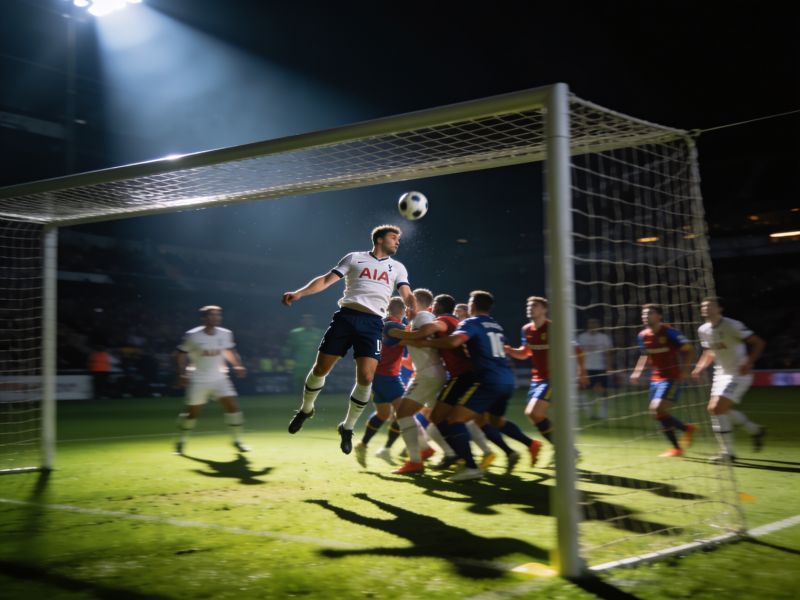
it was aggressive positioning. They conceded 62% possession but allowed only 0.6 expected goals. If you coach a mid-table side, this is your template: let the opposition have the ball in areas that don't hurt you.The winning goal itself was simple but rehearsed. Rennes' corner routine targeted the near-post zone, with a runner peeling off to flick toward the far post. PSG's zonal marking left a gap between the first and second defender — a recurring weakness this season. Rennes exploited it once, and that was enough. Practical takeaway: study your opponent's set-piece weaknesses for 15 minutes before every match. Rennes clearly did.What stands out most is Rennes' game management after scoring. They didn't drop into a low block immediately. Instead, they kept a high line for 10 more minutes, forcing PSG to reset their shape twice. That delayed PSG's attacking rhythm and burned clock. Only after the 75th minute did Rennes retreat into a 5-3-2. By then, PSG's frustration was visible — misplaced passes。argued calls. Rennes won the mental battle as much as the tactical one. For coaches and fans alike: a 1-0 lead is fragile, but structured aggression after scoring protects it better than panic defending.